
俄罗斯转盘
Exclusive: China's maritime court settles Strait of Hormuz vessel collision dispute as foreign shipowners turn to Chinese law_我的网站

A | 21日上午,日经指数正在冲击5万点。
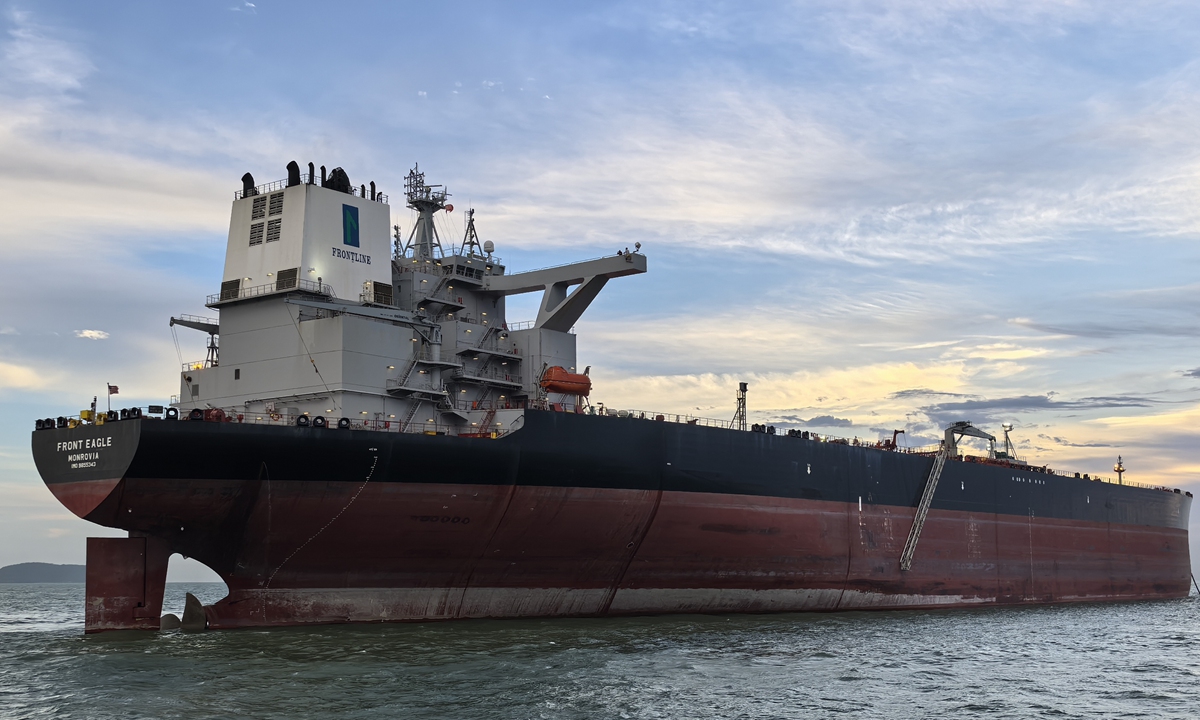
In 2025, two crude oil tankers collided at the eastern entrance to the Strait of Hormuz, 24 nautical miles off Fujairah, United Arab Emirates, media reported.
Owned by oil tanker operator Frontline, the Liberia-flagged vessel Front Eagle collided with the Antigua and Barbuda-flagged vessel Adalynn on the morning of June 17, 2025.
The Adalynn was damaged in the fire. While the Front Eagle was undergoing repairs in Shenzhen, South China's Guangdong Province, Global Shipping Holding Ltd., which owns the Adalynn, applied to Guangzhou Maritime Court for its arrest. Frontline provided a cash security of 203 million yuan to release the arrest and applied to establish a limitation fund for maritime claims.
The court approved the application and allowed Frontline to establish the limitation fund, setting the amount of the fund at 168 million yuan.
Guangzhou Maritime Court held four pretrial conferences on October 11, 2025, January 12, May 6 and July 13, 2026 to complete preparations for evidence examination, technical investigations and reported the relevant pretrial arrangements to the provincial high court, the Global Times learned from the court.
The court held a public hearing for the case on July 14, 2026.
No government agency had conducted an investigation into the collision, and no official findings were issued after the accident. Taking into account the unique burden-of-proof challenges in maritime collision disputes, Guangzhou Maritime Court took measures to preserve key evidence when handling the vessel arrest, including navigation logs, AIS data, voyage data recorder (VDR) records and CCTV footage, the court told the Global Times in a statement on Sunday.
Under a process that involves exchanging evidence inventories, sealing materials simultaneously and jointly reviewing them after evidence submissions, the court helped ensure the authenticity of critical records and laid the groundwork for determining the facts of the case.
As the two sides and their respective maritime experts reached sharply different conclusions over liability, the court introduced a maritime technical investigator mechanism, with the consent of both parties, allowing technical experts to participate throughout the proceedings. Drawing on the preserved evidence, investigators reconstructed the collision, assessed the vessels' encounter situation and clarified the parties' respective responsibilities.
Following the hearing, the court facilitated mediation, and the two parties reached a settlement agreement on July 27, 2026. On July 31, the court organized the distribution of the maritime liability limitation fund among creditors involved in the foreign vessel collision dispute and related charter-party disputes.
Representatives of the Adalynn traveled from overseas to the court to present a letter of appreciation and a commemorative banner in recognition of the court's efforts, according to the court statement.
After the Guangzhou Maritime Court accepted the case, both parties agreed to apply Chinese law to establish a maritime liability limitation fund and resolve their substantive dispute, breaking away from the long-standing reliance of international shipping disputes on European and US courts and legal systems.
Choice of justice
Bilov Viacheslav, a representative of Global Shipping Holding Ltd., told the Global Times that the main reason they chose a Chinese court to mediate the case is that "we want absolutely fair, unbiased approach to this issue. Because nowadays in this world, there are some countries which believe that they are authorized to give instruction to all others, which definitely is having influence on the decisions of the judge on the approach to the case."
Viacheslav gave the Chinese court's handling of the case a five-star rating, saying he had expected the dispute to take at least three years to resolve, but the Chinese court settled it within just one year. He also praised the judges and lawyers for their commitment to advancing the case throughout the proceedings.
"The judges and lawyers worked to advance the case with the same level of commitment as I did, even though the case directly concerned my own interests. This left a deep impression on me about litigation in China," Viacheslav said.
The case involved two foreign parties and a collision that occurred near the Strait of Hormuz, with no direct connection to China or Guangzhou Maritime Court initially. The fact that the parties chose to seek vessel arrest in China and agreed to apply Chinese law demonstrates the credibility and appeal of China's maritime judicial system, Wu Guining, vice president of the Guangzhou Maritime Court, who served as the presiding judge of the case, told the Global Times.
The court also introduced a maritime technical investigator mechanism in the case, an innovation aimed at addressing complex technical issues arising from vessel collision accidents, Wu said, noting that through technical investigations, the court was able to establish the facts of the case more efficiently, highlighting the integration of professional maritime investigation capabilities with China's specialized maritime adjudication system.
The case demonstrates China's ability to handle major, complex and cross-border maritime disputes with professional expertise, Wu said.
The handling of the collision between the two vessels is just one example of how Chinese courts have been dealing with a growing number of foreign-related maritime cases in recent years.
The Global Times learned from China's Supreme People's Court (SPC) in October last year that over the past 40 years, Chinese courts have handled a total of 88,000 foreign-related maritime cases involving parties from 146 countries and regions.
At a lecture held by the SPC on Friday, Shen Hongyu, director of the Fourth Civil Division of the SPC, told the Global Times that in recent years, Chinese courts have become more influential in participating in and promoting global ocean governance reform. Maritime justice serves as an important instrument for practicing the vision of a maritime community with a shared future and for advancing the reform of the global ocean governance system.
。 同一时间,日本国会完成了首相指名选举。 自民党总裁高市早苗在参议员决选中获125票,成为日本宪政史上第一位女性首相。 她的丈夫山本拓,也成为了日本历史上首位“第一先生”。 消息一出,市场短暂下跌,日元迅速跳水。

B | 此时此刻,日本金融市场已经进入经济政策落地阶段。

C | 2025年度内,人们对股市上涨的空间仍然相对乐观;但预期利率上涨的声音,戛然而止。 因为新首相明确反对日本央行加息,主张“只有当工资增长推动需求型通胀形成后才应收紧政策”、“现在加息是愚蠢的”。 她说,她将带领日本回到安倍晋三时期的经济繁荣。 安倍时代的繁荣,不就是放水的繁荣? 这一立场,直接扭转了近两年的市场预期,10月份加息的概率从68%暴跌至20%。 特朗普的支持者叫MAGA,高市早苗的支持者叫JIBA(Japan is back again)。 旨在恢复日本战后的经济辉煌与民族自信,与“让阿根廷再次伟大”大同小异,都是对Make America Great Again的模仿。

D | 也就是说,日本也正式“右转”了。

E | 世界正在加速去中心化,全球合作的时代或许即将是个历史名词。 秽土转生,安倍晋三 长期有人认为,现代日本的崛起,靠的是美国输血。 某种程度上,是可以这么说。 二战后,美国给日本定下的汇率是1:360,一直维持到70年代。 日元相对美元如此不值钱,相当于日本货也便宜。 凭借低汇率优势,日本拼命扩大对美国出口。 相当于吸美元的血,来壮大自己。 整个80年代,全美三分之一的贸易赤字都来自日本,存在巨大的逆差。 1983年,卡特皮勒时任总裁李·摩根发布《美元与日元不匹配问题原因及解决方案》,指责日本利用汇率优势占美国便宜,导致制造业被重锤,大量工人失业。

F | 报告发出后,美国民间迅速掀起反日高潮,失业者们成群结队跑到大街上打砸日本车。 1985年9月22日,美、日、德、英、法签订《广场协议》,强迫日元升值。 目的很明确:就是要打掉日本货的竞争力,减少日本对美国的出口。 于是从1985年到2011年,日元汇率暴涨,美元兑日元一路从300多跌到75。 与之相对应的,日本的名义GDP,在“失去的二十年”中,仍然在继续上涨。 到2011年,也就是日元汇率达到顶峰的那一年,日本的名义GDP也达到历史最高点。

G | 所以,如果只看美元计价,压根就看不出日本哪里失去二十年了,只能说增长缓慢。 但这个汇率上涨、名义GDP持续上升的阶段,属于是面子好看,里子难受。

H | 最直观的是外贸。 日元越来越值钱,等于日本货越来越贵,出口的竞争力渐渐消退,极大压缩了企业的利润空间。 结果是日本企业的大量资金都投资到国外,而国内投资严重不足。

I | 比如我们亲眼所见的,90~10年代,有大量日资跑到大陆办厂;近些年,又成批成批撤回去了,比如佳能。 即便啥也不研究也能猜出来,肯定是他们国内出现了转机。 2012年12月,围绕核能与经济问题,安倍晋三,重返首相宝座。 仅仅一个月后,日本内阁就推出“超宽松货币政策”、“结构改革政策”、“扩大财政支出政策”,共同组成安倍经济学的三支箭。 手段简单粗暴:大幅降息,大量印钞,增发国债。 2012~2015年,美元兑日元迅速从75涨回125,日本名义GDP跟着大幅下跌。 但是,大量企业却因此保住了性命。

J | 企业活下来了,就业就有了保障。 在名义GDP下降的阶段,日本先是被德国超越,紧接着又要被印度超越……但国内的失业率却从10年代开始不断下滑,最近甚至出现了企业抢人的新闻。 这一点非常反直觉,但确实是事实。 在整个安倍二次执政期间,日本经济经历了长达71个月的景气期,失业率持续下降,股市也开启十年长牛。 但这种行为,与四十年前利用低汇率占盟友便宜有区别吗?并没有。 为此,日本政府承受了欧美和隔壁韩国的巨大压力,韩国公开宣布不允许日本汇率降到110,还要求美国直接干涉日本的汇率。 日本失业率总体下行,来源:国信证券 2015年后,全世界围绕日元汇率问题的斗争,始终很激烈。 日元汇率长期在110上下浮动。 但从2022年开始,日元贬值速度明显大幅加快,等于是加速吸盟友的血。 虽然那时安倍晋三已经不是首相,但作为灵魂人物,他必须死。 2022年7月8日,安倍在街头遇刺,震惊世界。 这之后短短几个月,美元兑日元汇率迅速涨到151.9,然后又快速跌回127。 2023年开始,日本央行开始连续出台政策,上调10年期国债利率上限,美元兑日元一路又回到150以上。

K | 这一系列事件背后,必然发生了许多不为普通人所知的政治博弈。

L | 美元兑日元,来源:Choice 不过仅看日元走势,日本方面虽然迫于压力变相小幅加息了两次,但日本整体还是往继续贬值的方向在走。 他们似乎并没有妥协。 甚至,到了今天,安倍晋三又被秽土转生“回来了”。 继承还是变体? 从欧美再到日本,很多人大概都有疑问。 为什么右翼政治家魁首,很多是女性? 带入到职场中,可能更好理解。 不论是从政还是我们平时看到的普通职场女性,为了摆脱女子软弱的刻板印象,一般都会比男人更强硬。 不过,这既是buff,也是debuff。 同样是因为刻板印象,即便她们发表更极端一点的观点,人们感受到的攻击力也会弱化不少,更容易接受一些。 至少在此之前,高市早苗扮演的就是这样一个角色。 早在2006年,安倍晋三第一次执政,做出了一个令党内震惊的决定:在815纪念日停止首相和内阁大臣参拜靖国神社。 但高市早苗却突然跳出来公开抗命,成为内阁中唯一的参拜者。 从那个时候,外界就明白了她的政治定位。 投桃报李,第二次执政期间,安倍任命高市早苗为日本第一位女性总务大臣。 安倍晋三多次称赞她为“保守派之星”,高市早苗也被称为“安倍女孩”。 2022年,安倍遇刺,高市公开表示要继承安倍的遗志,顺势得到保守派的拥护。 作为安倍遗志的继承人,高市早苗也有自己的三支箭。 1. 通过扩大政府危机管理职能和公共基础设施建设,推动经济增长; 2. 通过加税和优化政府资金使用扩张财政,避免增发国债; 3. 明确政府对货币政策的责任,但允许日本央行自主选择工具。 乍一看,似乎与安倍的三支箭没有多大区别。 也正是因为如此,很多人调侃安倍被秽土转生了,灵魂归来三度执政。 但时代环境不同,两者怎么可能没有区别? 首先,通胀环境不同。 与10年前的长年通缩不同,近几年日本已经出现了明显的通胀,国民的财富三十年来第一次缩水。 在这种背景下,大规模的财政刺激,很可能转化为更高的通胀,进一步提高民生成本。 若输入性成本上升而工资跟涨迟缓,将实质压缩家庭消费,降低扩张性财政的乘数效果。 日本通胀率,来源:TRADING 其次,政治博弈更激烈,政策很难执行。 第三支箭,很明显是在挑战日银的独立性,不可能不遭到反对。 同时财务省与执政党、鹰派与鸽派之间也存在明显分歧。 近两年,日元的主基调是跟随美元加息,如果要回归安倍时期的政策,势必会在“扩张”与“稳健”间反复博弈。

M | 但更重要的是,债务膨胀的规模,也远不是当年可比。 作为世界上第一个实践政府快速加杠杆实现泡沫经济软着陆的经济体,日本成功地将出清周期拉长到十五年以上。 但代价是,目前,日本政府债务总额已经突破1300万亿日元大关,公共部门债务占GDP比率超过260%,私营和公共部门债务总额与GDP之比高达400%以上。 以京都市为例,财政调整基金已经见底。

N | 以目前的状况而言,最快到2028年可能将沦落为“财政再生团体”,也就是破产。 京都市长已经向外宣布,10年内京都市可能破产。 怎么给他们续命?似乎只有走回曾经的道路、扩大财政刺激才有可能。 本质上,所谓的“早苗经济学”,就是将安倍经济学再度发扬光大,通过印钞和打压汇率实现繁荣。 今时今日,必须要重拾安倍那一套,才能给政府续命。 但今时今日的情况,无论内外环境,又使得政策的执行难度大大增加。 这无疑是很难的。

o | 尾声 战后的日本凭什么繁荣?按照本文的思路,最大的依仗恐怕就是凭借低汇率优势,让盟友给自己输血。

p | 从这个角度出发,对于Japan is back again这句话,我们或许能品出不一样的意思。 此时此刻的日元,虽然经历了数年贬值,兑美元一度达到161:1。 但想当年,美元兑日元长期维持在300以上,远远超过现在。 安倍重演四十年前的玩法,高市重演安倍的玩法…… 利用低汇率的优势,经济继续走强是可行的。 但能走多远,这个就不好说了。 日本股市的十年长牛,本质上就是三波大放水导致的结果。 只不过最近一次是被动的。 继续下去怎么办? 第四次水?第四次牛?再调整?再放水? 第四次或许会有,但不可能无限循环下去。 本文来自微信公众号:格隆,作者:城北徐公。
Current article:http://3eg.cousizhegaobaolengkuo.bond/news/20260826_8908845.html
Published on:08:45:39


